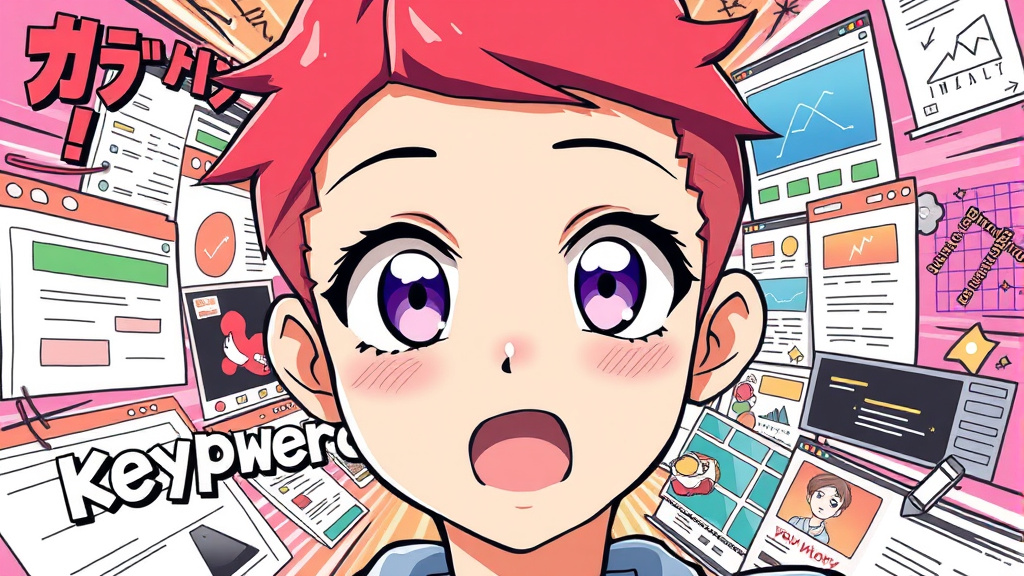
manga strips have captured the imagination of millions worldwide, transcending cultural and language barriers to become a universal art form. From their humble origins in Japan to their prominence in global pop culture, manga strips offer a unique blend of storytelling, art, and social commentary. As a versatile medium, manga strips continue to evolve, embracing new technologies and expanding their influence across various domains. Whether you're an avid reader or an aspiring artist, understanding the depth and sophistication of manga strips reveals why they remain an enduring cultural phenomenon.
The Enduring Appeal of Manga Strips - A Cultural Phenomenon
Manga strips have persisted through decades, not solely due to their entertainment value but because they serve as mirrors to society, encapsulating contemporary issues, humor, and human emotions in a compact visual format. Their enduring appeal lies in their ability to connect with diverse audiences across age groups and backgrounds, providing both escapism and social critique. The concise, serialized nature of manga strips facilitates a personal relationship between the creator and the reader, fostering community and shared cultural identity.
Moreover, manga strips are a reflection of cultural storytelling traditions, blending Japanese history, folklore, and modern societal themes into compelling narratives. They serve as a cultural touchstone, influencing fashion, language, and even social norms, while fostering cross-cultural exchanges. As new generations of creators emerge, the core elements of manga strips—dynamic visuals, thematic diversity, and innovative storytelling—continue to evolve, securing their place as a vital part of global cultural landscape.
 Hình minh họa: comic manga anime – manga strips
Decoding Manga Strips - Understanding Visual Storytelling Techniques
At their core, manga strips utilize a sophisticated vocabulary of visual storytelling techniques that heighten narrative engagement. Artists employ framing, panel progression, and visual cues to guide readers through emotional beats and plot twists seamlessly. Techniques such as "ken " (the focus on characters' faces to convey emotion) and "gutter" (the space between panels that allow readers to infer additional action or pacing) are essential tools that make manga strips dynamic and immersive.
Understanding how manga artists manipulate visual flow enhances appreciation for their craftsmanship. For instance, the use of exaggeration in facial expressions amplifies humor or tension, while panel size and layout create pacing and emphasis, directing the reader’s attention precisely where it's needed. Mastering these techniques requires a keen understanding of both art fundamentals and narrative rhythm, which is often learned through dedicated practice and study. Whether in comedic or dramatic contexts, these visual storytelling methods elevate manga strips from mere illustrations to complex narrative devices.
From Paper to Pixels - The Evolution of Manga Strips in the Digital Age
The transition from traditional print to digital platforms has revolutionized how manga strips are created, distributed, and consumed. Digital technology allows creators to experiment with new artistic styles, streamline production processes, and reach global audiences instantaneously. Web manga and online platforms have democratized access, enabling amateur artists to publish their work alongside established manga legends, fostering diversity and innovation in storytelling.
This digital shift also introduces interactive elements such as hyperlinks, animations, and reader polls, which shape new forms of engagement. The rise of manga apps and webtoon formats have made manga strips more accessible than ever, accommodating different reading preferences with vertical scrolling and dynamic layouts. As technology continues to advance, future developments like augmented reality and virtual reality integrations promise even more immersive experiences, blurring the line between manga strips and other multimedia art forms.
Manga Strips and Their Influence on Global Pop Culture
The influence of manga strips on global pop culture cannot be overstated, as they have contributed significantly to the worldwide popularity of anime, fashion, and even language. Iconic characters and storylines have seeped into everyday life, inspiring merchandise, cosplay, and conventions across continents. This widespread cultural diffusion underscores manga's role as a soft power instrument that bridges cultural gaps and fosters shared interests.
Furthermore, manga strips have influenced Western comics and animation, leading to a hybrid aesthetic that combines Eastern storytelling techniques with Western narrative styles. Shows like "Avatar: The Last Airbender" and "The Boondocks" exhibit clear manga-inspired visual cues, reflecting the cultural exchange driven by manga strips. This cross-pollination enriches global pop culture, making manga a catalyst for innovation and diversity in media and entertainment industries worldwide.
Creating Compelling Manga Strips - Tips and Techniques for Aspiring Artists
Aspiring manga artists should focus on mastering fundamental drawing skills, such as anatomy, perspective, and facial expressions, to bring their characters to life convincingly. It’s essential to develop a personal style that reflects your unique voice while studying established manga masters to understand storytelling pacing and panel composition. Practice is key in refining your skills, along with consistently sketching story ideas and experimenting with layouts to improve narrative flow.
In addition to technical proficiency, aspiring creators should prioritize storytelling clarity. Using clear visuals, expressive characters, and well-structured dialogue helps readers follow complex narratives or subtle emotional shifts. Studying the work of manga strips that resonate with you, engaging with artist communities, and seeking constructive feedback are crucial steps toward creating impactful manga strips. Remember, originality and sincerity are often what make a manga strip truly compelling.
A Genre Deep Dive - Exploring the Diverse Worlds of Manga Strips
Manga strips encompass a vast array of genres, from action and romance to horror and slice-of-life, reflecting the multifaceted nature of human experience. Each genre employs distinct visual and narrative conventions—shonen manga typically feature dynamic combat scenes and themes of friendship and perseverance, while shojo manga emphasize emotional depth and romance with softer art styles.
Exploring these genres reveals how manga strips adapt storytelling techniques to suit varied audiences and themes. For example, horror manga use stark contrasts, unsettling imagery, and suspense-building panel arrangements to evoke fear, whereas comedy manga often rely on exaggerated expressions and timing to generate laughs. This genre diversity demonstrates the flexibility of manga strips as a storytelling medium and their capacity to address a wide range of emotional and social issues.
The Art of Panel Layout - Mastering Composition in Manga Strips
Panel layout design is a critical aspect of manga strips, influencing pacing, mood, and reader engagement. Effective panel composition guides the eye naturally across the page, balancing space for action, dialogue, and emotional impact without overwhelming the reader. Certain layouts, such as elongated vertical panels or irregular shapes, create a sense of chaos or tension, while symmetrical arrangements provide stability or serenity.
Mastering the art of panel layout involves understanding visual hierarchy and emotional pacing. For instance, zooming in on a character's face amplifies emotional expression, while rapid panel succession accelerates action sequences. Aspiring manga artists should analyze published works strategically, practice diverse layouts, and experiment with different paneling techniques to craft visually compelling and narratively effective pages that elevate their storytelling craft.
Beyond Entertainment - The Educational and Social Value of Manga Strips
Manga strips are not only entertainment but also powerful educational tools that foster literacy, cultural awareness, and social dialogue. Many manga incorporate historical, scientific, or philosophical themes, making complex concepts accessible through engaging visuals and storytelling. Students can learn language, history, or social issues by analyzing manga, which often reflect contemporary societal concerns and values.
Moreover, manga can serve as a platform for social activism, addressing topics such as mental health, discrimination, and environmental issues, sparking dialogue among readers. Artists and educators are increasingly leveraging manga strips to promote critical thinking and empathy, recognizing their potential to transcend mere entertainment and contribute meaningfully to personal and societal growth.
Manga Strips as a Marketing Tool - Reaching New Audiences Through Visual Narratives
Brands and companies have harnessed the appeal of manga strips to connect with audiences in authentic and innovative ways. Creating branded manga or manga-inspired advertisements allows marketers to engage consumers through storytelling, leveraging the emotional resonance and broad appeal of manga. This strategy taps into the loyalty and cultural cachet manga strips hold, especially among younger demographics.
Additionally, manga strips are used in campaigns to promote products, services, or social causes, often going viral due to their shareability and visual appeal. The integration of manga characters or themes into marketing fosters a sense of familiarity and cultural relevance, making campaigns more memorable. As digital media continues evolving, manga-inspired content provides a versatile platform for marketers seeking to create compelling narratives that resonate across diverse markets.
The Future of Manga Strips - Emerging Trends and Innovations
The future of manga strips promises exciting innovations driven by technological advancements and changing audience tastes. Augmented reality (AR) and virtual reality (VR) are poised to revolutionize how fans experience manga, providing interactive, immersive storytelling environments. Artists might create layered narratives that users can explore physically or virtually, blurring traditional boundaries between comics and experiential media.
Meanwhile, web-based platforms and AI-assisted tools will democratize creation further, enabling more diverse voices to contribute to the manga landscape. As global interest in manga continues to grow, we can anticipate hybrid genres, cross-media adaptations, and collaborative storytelling efforts that push artistic and narrative boundaries. These emerging trends suggest manga strips will remain a vital, innovative medium that continually adapts to technological and cultural shifts, inspiring generations to come.
Conclusion
Manga strips have established themselves as a rich and versatile form of storytelling that transcends cultural boundaries through their visual and narrative sophistication. From their historical roots in Japanese tradition to their modern digital expressions, they continue to evolve, influence global pop culture, and inspire aspiring artists worldwide. The genre's diversity, technical mastery, and social relevance underscore its enduring appeal, which is poised to grow even more with emerging technological innovations. As a medium that combines art, storytelling, and social commentary, manga strips will undoubtedly remain a dynamic force shaping cultural conversations and creative expressions in the years ahead.